
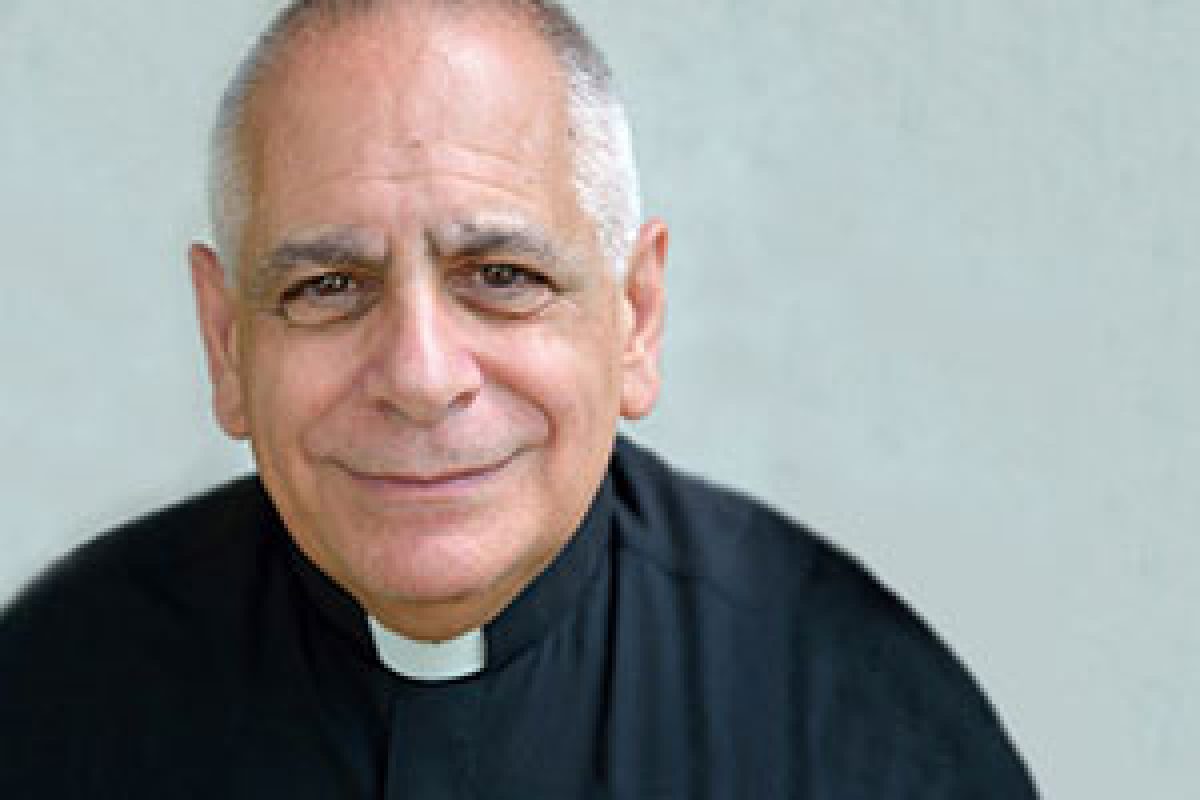
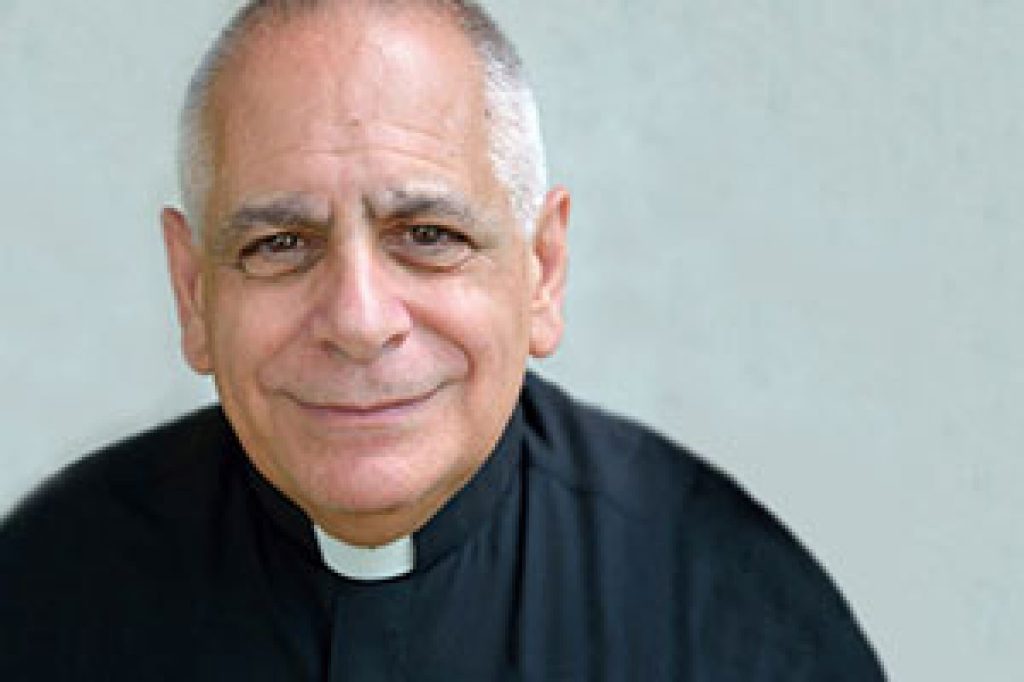
For more than 25 years Monsignor Robert Vitillo has immersed himself in global and humanitarian efforts to help the plight of HIV/AIDS sufferers. During his extensive travels as the Caritas Special Advisor to the United Nations on HIV/AIDS, he has witnessed first-hand the scourge of the deadly disease and its devastating effect on entire communities.
In Melbourne recently for a pre-Catholic HIV/AIDS conference titled, ‘Stepping up the Pace: Remember the Loaves and Fishes’, Msgr Vitillo admitted that while he was grateful for the experience he didn’t put his hand up for the role.
‘It was 1987 and I was working at the headquarters of Caritas Internationalis in Vatican City,’ he recalled. ‘Every four years the Confederation of Caritas which is made up of 164 national members has a general assembly in Rome. In addition to doing budgets and electing members, they also look at the major social issues for the church and the world and to develop a plan for the next four years.
‘We had no idea at that time that AIDS would become so big but we knew it was as serious problem, especially in parts of Africa. There was a lot of pressure to declare this one of the major issues and I was asked to coordinate a response. That was how I got into it … I didn’t choose to but I feel it’s been a real privilege that God gave me.’
Msgr Vitillo’s list of achievements is long and distinguished. He is president of the National Catholic AIDS Network Board of Directors; co-convenor of the Strategy Group on HIV and AIDS for the Ecumenical Advocacy Alliance (based at the World Council of Churches) and is a member of the Boards of Directors of the National Council for Adoption, the Global Community Service Foundation, and Medicines for Humanity.
The fight against HIV/AIDS had come a long way in 30 years, said Msgr Vitillo but more work lay ahead as evidenced by a recent experience. ‘I’m very involved in advocating for the post 2015 development agenda at the United Nations. However, the first drafts of the plan that were coming out from governments didn’t even mention health, let alone HIV/AIDS,’ said Msgr Vitillo, who is a priest of the diocese of Paterson in New Jersey.
‘I was at a UNAIDS board meeting and there were some angry people on the board asking a senior UN official why she didn’t talk about AIDS. She said frankly from what we read it sounds like you’ve solved the problem. So, if people at that level think that it’s (HIV/AIDS) been solved you can imagine the general public (what they think).’
Funding HIV/AIDS programs worldwide was also an ongoing issue, Msgr Vitillo explained. ‘If governments start to pull back we face a big crisis. The UN puts a lot of pressure on Caritas Internationalis and with those with whom we work to expand treatments but we are constantly being told you have to do more with less. The point is we can’t do more with less. We have already been doing it with less than what it costs governments to fund these things.
‘We have quality services that go beyond just giving people a pill. We give them social support, emotional support and spiritual support; as well as their physical help and we intend to continue that work in the Catholic Church. That’s what we’re all about. We treat the whole person but we need the funding to do that.
‘Now, because of the medications we have and greater access to those medications (and) more affordable prices, you don’t have as many deaths at a younger age but we are still losing people. More than half of the people who need those medications still don’t have access to them.’
Msgr Vitillo said care and non-judgemental compassion were central to the Catholic Church’s response. ‘The Catholic Church has always believed that all people need to be served. We don’t ask them how they became infected. They have a need and we need to care for them and we don’t discriminate between Catholic and non-Catholic,’ he said.
‘I think the biggest lesson we’ve learned over the years is that in the early days … sometimes church communities were praying for those people with AIDS but not realising that those people were their own members. One of the first pastoral letters of the bishops of Uganda said ‘Don’t just pray for people with AIDS make sure you welcome them back into their communities.
‘In Africa, we still have more than 14 million orphans because their parents have died from AIDS. They (the children) struggle a great deal and many don’t have the support mechanisms in place and it’s a very serious tragedy.’
Msgr Vitillo said Caritas provided more than just health services to HIV/AIDS sufferers. ‘We give them the social and economic support to continue working to start their own businesses,’ he said. ‘There’s a whole range of services that many Catholic organisations plan to continue. That’s why we used the theme the loaves and the fishes at the Melbourne AIDS conference.
‘Jesus gave the apostles an impossible task. They had very little food and they certainly couldn’t run down to the supermarket. They had no credit cards and yet Jesus helped them realise … he willed them to do this and we have the will to do it but we need some support to do it as well.’
 David B Ahern