
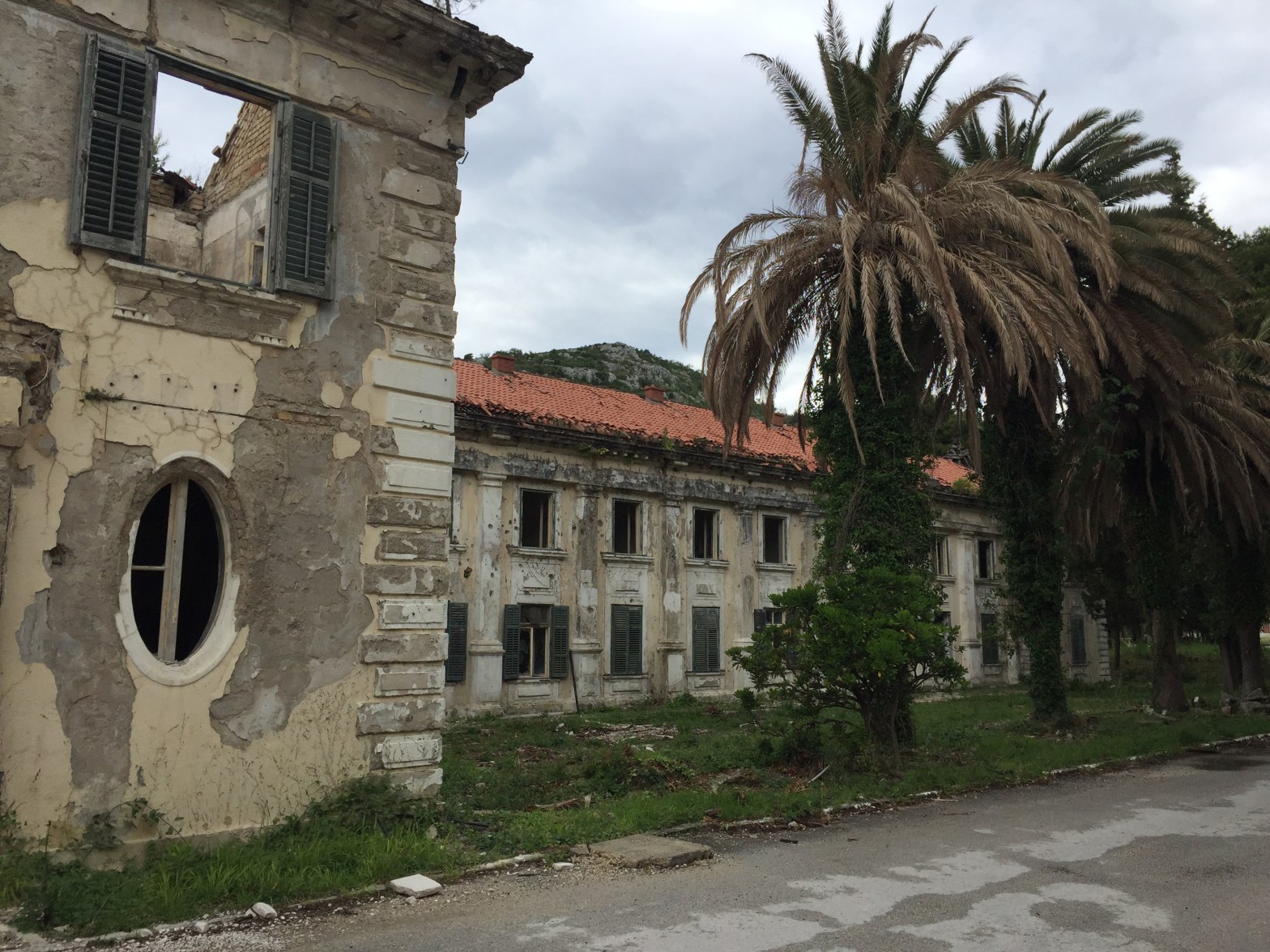
Less than half a kilometre from the new Sheraton Hotel in Mlini, Croatia, are the blackened ruins of several bombed out hotels. Rubble, twisted metal and other debris litter the inside of the buildings that are now empty shells.
Once thriving and attracting visitors from around the globe, these hotels on the Adriatic coast are a grim reminder of the brutal conflict that erupted in this part of the world 26 years ago.
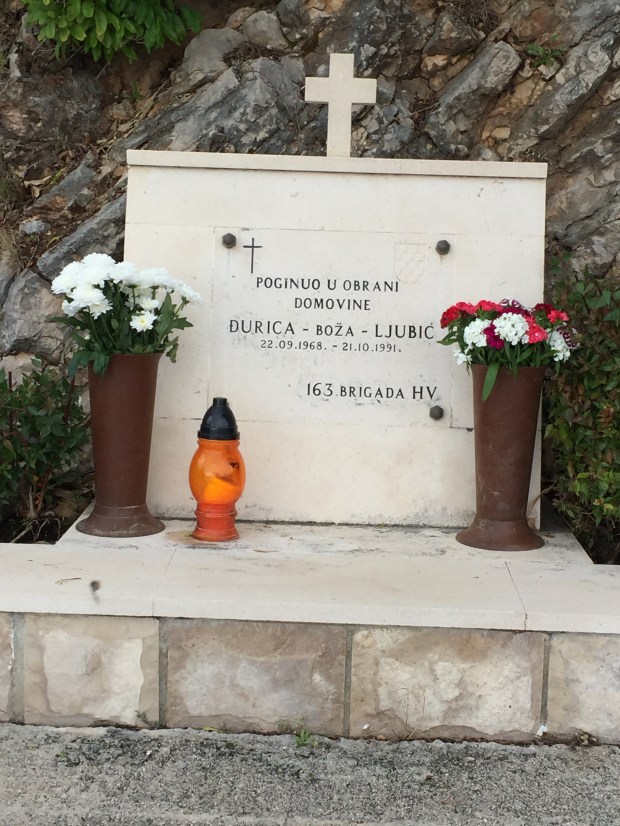
Nearby, at what was once a popular summer vacation spot, is a tribute to one of the many casualties, a young man in his early 20s who could have been a worker at one of the hotels. Fresh flowers decorate the memorial, a sign of recent worship of a young life lost.
With tourism booming in Croatia, there are plans to redevelop the hotels but for the moment they remain untouched, frozen in time, and a stark reminder of the bitter war between the Yugoslav People’s Army (JNA) and the Croatian Army.
A short distance from Mlini, and a further 10 km along the coastline, is the historic city of Dubrovnik. For seven months in 1991 the JNA laid siege to the city. More than half of its buildings were destroyed or suffered at least some damage.
The conflict followed the break-up of Yugoslavia and led to around 20,000 fatalities before a ceasefire was finally called. The larger regional war that also engulfed Bosnia and Herzegovina from 1992-95 claimed more than 100,000 lives and included the now infamous Srebrenica massacre in which 8,000 Muslim men and boys were massacred.
Today, Croatia, a mainly Catholic country, and its surrounds are peaceful and in the midst of a mini economic boom with tourism leading the way. After enduring a six-year recession, the unemployment rate has fallen to its lowest level in more than a decade, with tourism growth being a major factor. About 3.7 million in Croatia or 86.3 per cent of the population are Catholic.
The historic city Dubrovnik is a popular tourism destination in Europe and attracts more than a million visitors per annum. The old city of Dubrovnik became a UNESCO heritage site in 1979. Such is its popularity and because of overcrowding, plans are afoot to limit the number of tourists each day to about 6,000.
The city is surrounded by a fortress known as the ‘Walls of Dubrovnik’. The current city walls, constructed mainly between the 12th and 17th centuries, are about 25 metres high and extend for 1,940 metres.
Considered to be amongst the great fortifications of the Middle Ages as they were never breached by a foreign army, the walls even survived heavy artillery from the JNA in 1991.
 David B Ahern