

On my recent visit to Japan, I was struck by the politeness of the people. With a population of around 123 million, some pedestrian and driver rudeness was expected but there was none.
The people were delightful and everything was so ordered, barely a scrap of paper or any rubbish could be seen on the footpaths and roads.
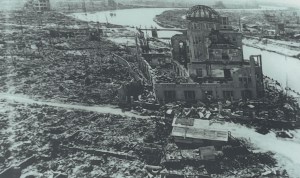
The trip included a visit to Hiroshima, the site of the first atomic bomb which was dropped on the city at 8.15am on August 6, 1945. That devastation wiped-out an estimated 140,000 people by the end of 1945 with many more dying in the years afterwards from illnesses, including cancers caused by the radiation. Nagasaki was also bombed several days later with a death toll of around 74,000.
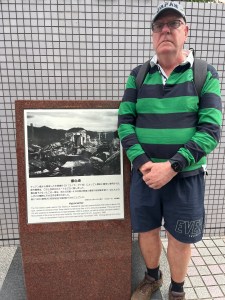
Standing at the site in Hiroshima where the bomb detonated 600 metres off the ground was quite surreal, even sickening. I wondered how many people managed to jump into the nearby river and survive in the split seconds after the detonation. Not many apparently!
The memorials and museum detailed the event, including some extraordinary survival tales. One man who worked in an office near ground zero decided to go down to the basement to retrieve a file for a meeting and only survived because he was underground. Everyone else in the building perished.
The museum also featured a blackened bicycle being ridden by a three-year-old who did not survive. That was difficult to see and read about.
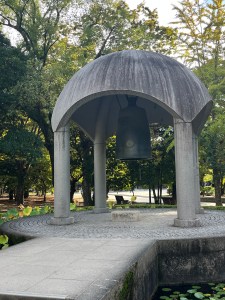
I asked our tourist guide if the Japanese had ongoing resentment towards Americans for what they did and she replied, “No”. She said the Japanese only hated war which is why they built a peace park near where the bomb dropped. They want to keep reminding the world of the horrors of war.
Japan paid a terrible price for its involvement in World War II. We should not forget that Japan brought the U.S. into World War II by bombing Pearl Harbour. We also should not forget that 8,000 Australians died in Japanese POW camps and at places like the Thai-Burma Railway. They were treated badly and were not shown any dignity and respect.
We don’t need to forget but we can always forgive, as hard as that can be at times.
Jesus was all about forgiveness. The Japanese have forgiven the Americans for the devastation caused at Hiroshima and Nagasaki while Australia and Japan have also been able to overcome the bitterness and hatred of the war years. As we enter the Christmas season which is about love, peace and faith, Hiroshima is a shining example of the power of forgiveness. Today, it is a vibrant, beautiful city and carries few scars of its horrifying history.
I hope families, especially those with broken relationships, can join as one in celebrating the real meaning of Christmas. Merry Christmas to all.
Image: The ruins of Genbaku Dome near ground zero.
Image: The Bell of Peace at Hiroshima.
Image. Standing at Ground Zero … so surreal.
 David B Ahern